
The Role of Participatory Science in Achieving the Sustainable Development Goals
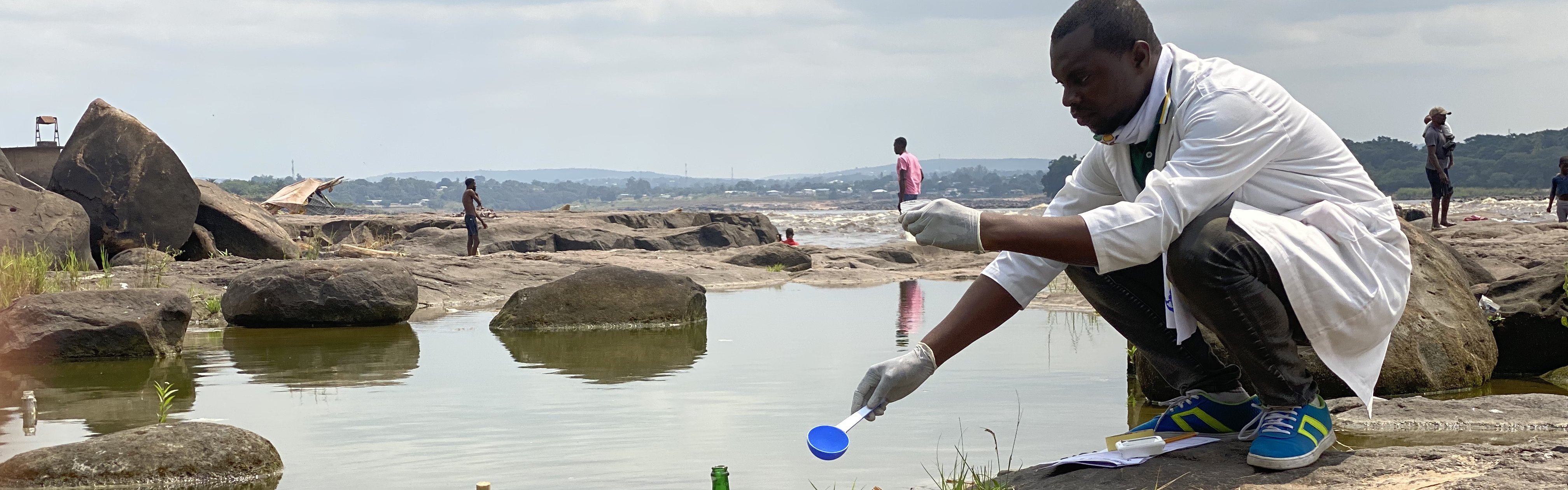
Education and Science join forces to give rise to Participatory Research: a powerful ally in supporting government policies for the SDGs.
|
In the world of science education and scientific outreach, there is a wide range of practices.

Citizen Science, which originated in the United States in the 1970s, enables large-scale public engagement via apps that allow users to process data through gameplay.
Participatory Science, established in 1992 on the shores of Lake Geneva, practically engages citizens in one or more stages of a scientific research project.
Participatory Research, which gained significant momentum in France in 2005, involves children, adolescents, students, and adults in every step of the research process, including formulating the scientific question and drawing conclusions based on study results.
Today, citizen science is no longer enough. It is now giving way to increasingly engaging scientific research projects for citizens, yielding ever more exciting results.
Reinventing citizens’ access to knowledge and making them genuine stakeholders.
Reinventing citizens’ access to knowledge [...] participatory science enhances education by providing project-based learning necessary for better outcomes.
The results from participatory research conducted with non-scientists are directly taken into account by scientists. This unique format offers innovative solutions to numerous global challenges. By reinventing citizens’ access to knowledge and making them genuine stakeholders, participatory science enhances education by providing project-based learning essential for better outcomes. This method reduces educational inequalities by adapting schools to various personal learning strategies and equips students with behavioral skills. Outside the classroom, participatory science encourages civic engagement, thereby strengthening communities’ capacities to undertake research relevant to their needs.
The UN has declared 2027 the International Year of Resilient Tourism. In addition to job creation in this sector, participatory science allows tourists to take part in conservation projects, enriching their experience while collecting valuable data for ecosystem regeneration.
Publications resulting from Participatory Research are increasing exponentially.
For philanthropists and impact investors, this format offers a way to maximize project effectiveness
Publications from participatory research are growing exponentially. Participatory science facilitates the implementation of sustainable solutions by involving citizens in co-creating responses to environmental challenges, ensuring these solutions are better adapted and more widely accepted.
This highly inclusive research is also crucial for developing public policies based on local data, thereby strengthening the legitimacy and effectiveness of government strategies supporting the SDGs. It plays a key role, for instance, in recognizing the Rights of Nature, enabling citizens to provide evidence for legal actions in favor of environmental protection.
For philanthropists and impact investors, this format offers a way to maximize project impact by directly involving beneficiaries in research, ensuring that investments truly address community needs. In the economic domain, participatory research can be highly useful in developing ethical currency systems, as it integrates citizens into the creation and management processes of these systems, ensuring that behavioral side effects are fairly addressed and that the proposed processes are sustainable.
|