
Collaborative Theater Project
- Level 3: Complex activities
- Innovative project management and development activities
- Interpersonal relations Skills
- Interpersonal relations techniques
- General Communication Skills
- General Communication techniques
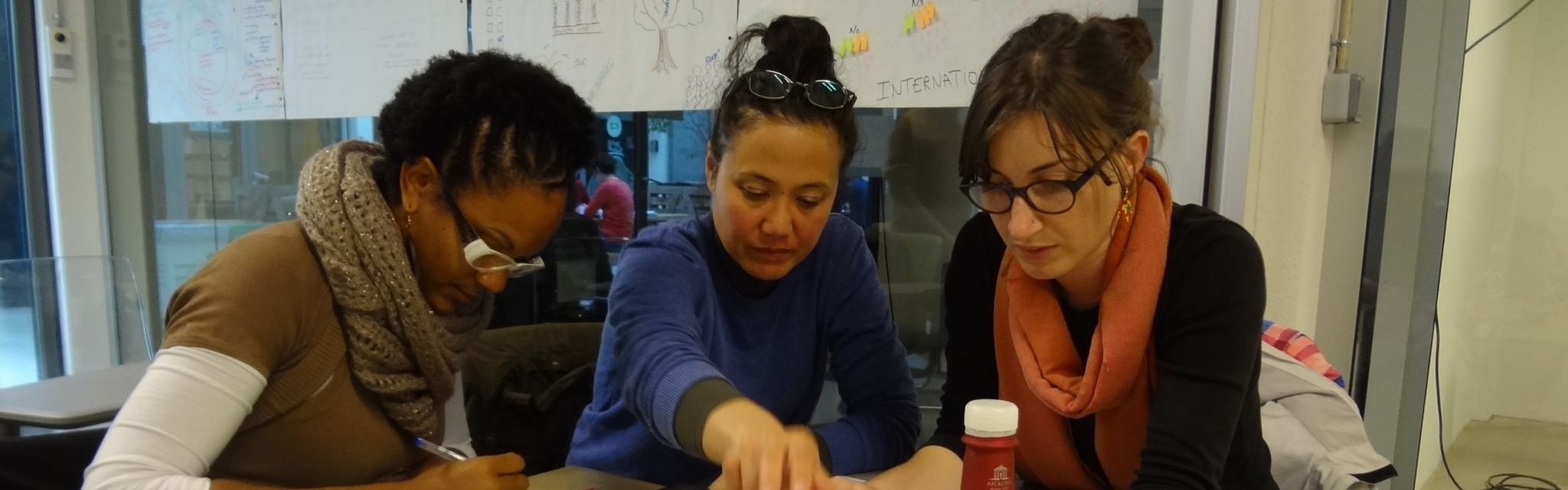
This collaborative theater project is designed to allow participants to work together in creating and staging a theater play. By combining various skills such as writing, directing, set design, and acting, this project aims to strengthen team cohesion, stimulate creativity, and provide a rewarding artistic experience. This guide covers the steps from concept to final performance, encouraging active participation from every team member.
|
Importance of the topic
Theater is a powerful tool for personal and collective development. It allows participants to explore their creativity, express themselves artistically, and develop skills in communication, problem-solving, and teamwork. A collaborative theater project also offers a unique opportunity to strengthen bonds among team members, stimulate imagination, and share a rich cultural experience. By working together on a common project, participants learn to collaborate, respect others’ ideas, and create a collective work that reflects everyone’s contributions.
Step-by-step guide
1. Theme selection and scriptwriting
Start by defining the theme and writing the play’s script:
– Collective brainstorming: Organize a brainstorming session to choose a theme or story that inspires the whole group.
– Collaborative writing: Write the script together, integrating everyone’s ideas and dividing writing roles.
– Review and finalization: Proofread and polish the script to ensure coherence and dramatic impact.
2. Role assignment and preparation
Assign roles and start preparations:
– Role distribution: Assign roles for actors, directors, set designers, etc., based on participants’ skills and interests.
– Rehearsal planning: Set up a rehearsal schedule to ensure every aspect of the play is well-prepared.
– Set and costume design: Collaborate to create the set and costumes that will support the play’s atmosphere.
3. Rehearsals and staging
Move into practice with rehearsals and staging:
– Directed rehearsals: Conduct directed rehearsals to adjust performances and refine staging.
– Work on body language and voice: Focus on body language and voice projection to enhance stage presence.
– Final staging: Integrate all elements (sets, lights, sounds) to create a complete performance.
4. Public performance
Prepare and execute the final performance:
– Event planning: Organize the logistics of the event (venue, invitations, audience).
– Dress rehearsal: Hold a dress rehearsal to ensure everything is ready for the performance.
– Performance: Execute the performance in front of an audience, showcasing teamwork and creativity.
5. Debriefing and feedback
Conclude with a debriefing session to learn from the experience:
– Group discussion: Share individual experiences, what worked well, and what could be improved.
– Constructive feedback: Provide constructive feedback to help parti
|