
Non-Verbal Communication Workshop
- Level 1 : Straightforward activities
- Basic communication and personal development activities
- General Communication Skills
- General Communication techniques
- Information Verification Skills
- Information Verification techniques
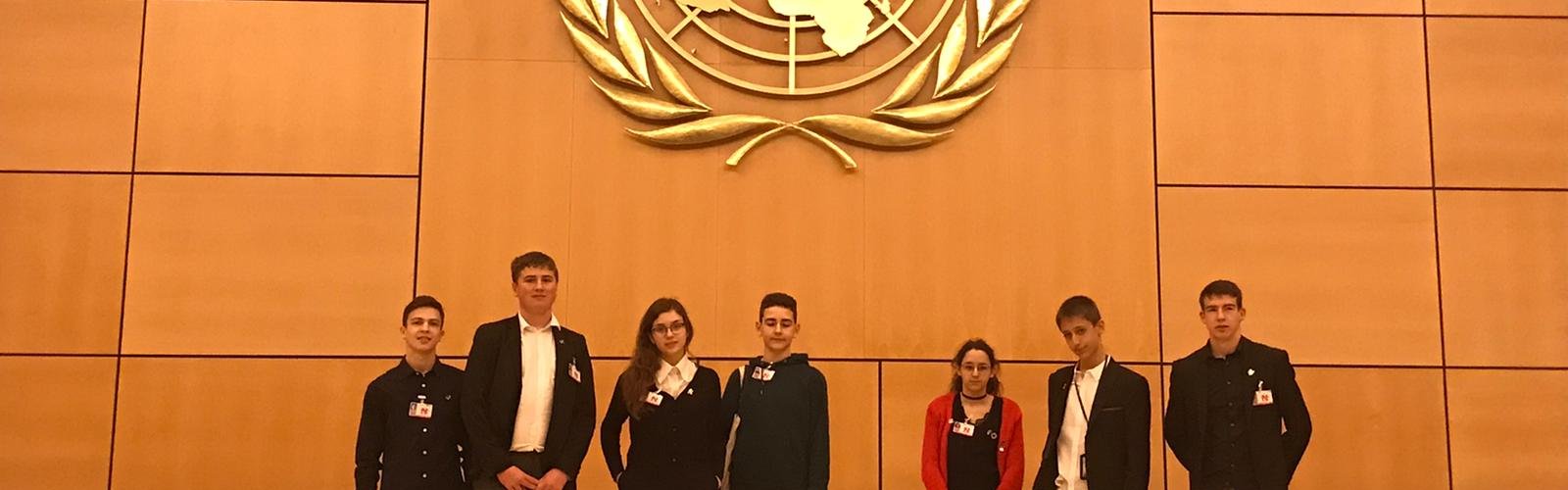
This workshop is designed to raise awareness among participants of the importance of non-verbal communication in interpersonal interactions, particularly in youth forums and UN simulations. Participants will learn to interpret non-verbal cues and consciously use their own body language to reinforce their messages.]
|
Non-verbal communication makes up a large part of our daily interactions, often more impactful than words themselves. In high-pressure environments such as MUN conferences, mastering this form of communication can make the difference between a persuasive speech and a misinterpreted message. Developing these skills allows young people to become more effective and convincing communicators.
Guide étape par étape
1. Comprendre les différents types de communication non verbale
Explore the various aspects of non-verbal communication:
– Facial expressions: Interpret emotions through facial expressions.
– Gestures and postures: Understand how body movements can influence a message.
– Eye contact: Use gaze to establish a connection and reinforce speech.
2. Techniques pour améliorer sa communication non verbale
Adopt practices to better control and use your non-verbal communication:
– Consistency with verbal message: Ensure that your body language supports your words.
– Self-awareness: Develop the ability to recognize and adjust your own non-verbal cues.
– Neutrality practice: Learn to adopt a neutral posture to avoid misunderstandings.
3. Interprétation des signaux non verbaux des autres
Learn to decode non-verbal messages in various contexts:
– Detecting inconsistencies: Spot contradictions between words and gestures.
– Contextual analysis: Consider the environment and situation to correctly interpret signals.
– Observing micro-expressions: Identify micro-expressions to understand hidden emotions.
Ouvertures de possibilités et pour aller plus loin
– Regular practice of observing and adjusting one’s own non-verbal communication.
– Participation in workshops on public speaking for comprehensive communication.
– In-depth study of micro-expressions and body language in different cultural contexts.
– Application of the learned techniques in UN simulations and other debate environments.
|