
Negotiation and Conflict Resolution Simulation
- Level 2: Intermediate activities
- group projects and collaborative activities
- Interpersonal relations Skills
- Interpersonal relations techniques
- Public Speaking Skills
- Public Speaking techniques
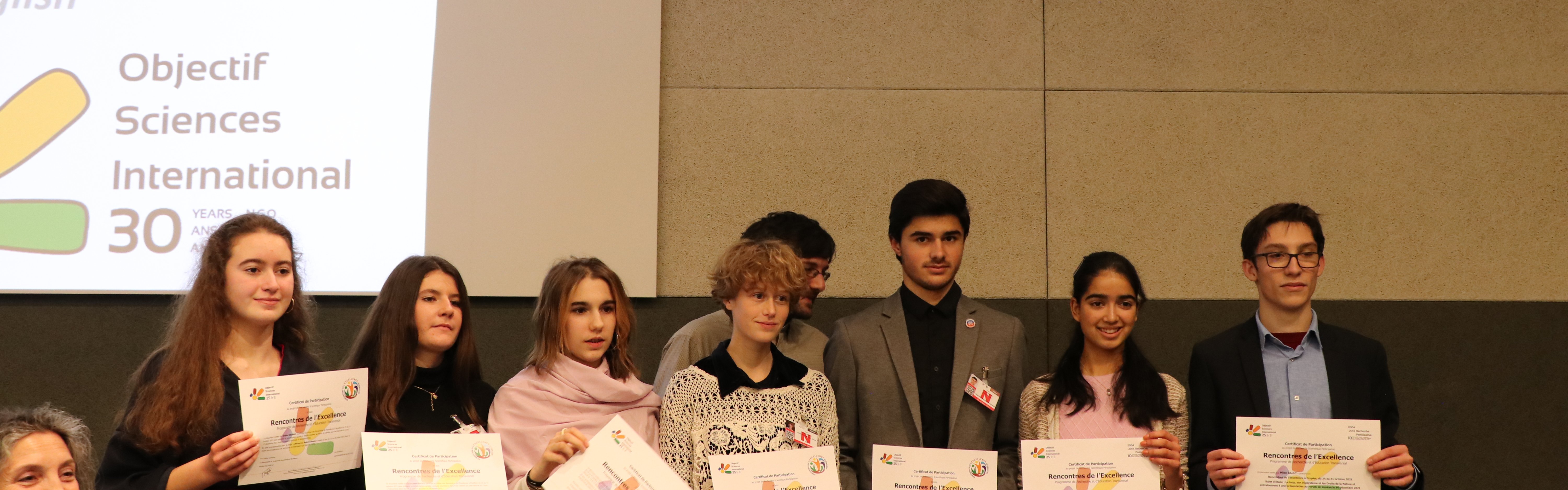
This activity is designed to allow participants to practice negotiation and conflict resolution in a simulated setting. Participants will learn to understand the interests of different parties, find common ground, and develop solutions that meet the needs of all parties involved. These skills are essential in contexts such as youth forums, UN simulations, or professional environments, where the ability to resolve disputes constructively is crucial.
|
Importance of the topic
Negotiation and conflict resolution are crucial skills for anyone who wants to work effectively in teams, successfully lead projects, or play a leadership role in international or professional contexts. The ability to manage disputes, find compromises acceptable to all parties, and turn conflicts into opportunities for collaboration is essential to maintaining positive and productive relationships. In simulations like those of the UN, these skills are particularly valued as they enable the resolution of complex issues and the achievement of lasting agreements.
Step-by-step guide
1. Preparation for negotiation
Learn how to effectively prepare for a negotiation:
– Understanding stakeholders: Identify the different parties involved and understand their interests and positions.
– Setting objectives: Define your goals and priorities for the negotiation.
– Gathering information: Collect relevant data and facts to support your position.
2. Negotiation techniques
Learn strategies for successful negotiation:
– Active listening: Practice active listening to understand the needs and concerns of the other parties.
– Seeking compromise: Identify solutions that address the interests of both parties.
– Managing emotions: Learn to manage your emotions and stay calm to maintain a constructive atmosphere.
3. Conflict resolution
Learn how to resolve conflicts constructively:
– Analyzing causes: Identify the underlying causes of the conflict to address them more effectively.
– Developing solutions: Work with the concerned parties to develop mutually acceptable solutions.
– Mediation: If necessary, act as a mediator to facilitate dialogue and reach an agreement.
Opening up possibilities and going further
– Participate in additional negotiation simulations to refine your skills.
– Study real negotiation cases to understand the strategies used and their outcomes.
– Apply these skills in real situations, whether at work, in community activities, or in international forums.
– Offer to play the role of mediator in conflicts to practice your conflict resolution skills.
|