
What if tourism could support your missions?
Resilient and regenerative tourism in support of humanitarian action, solidarity and multilateralism
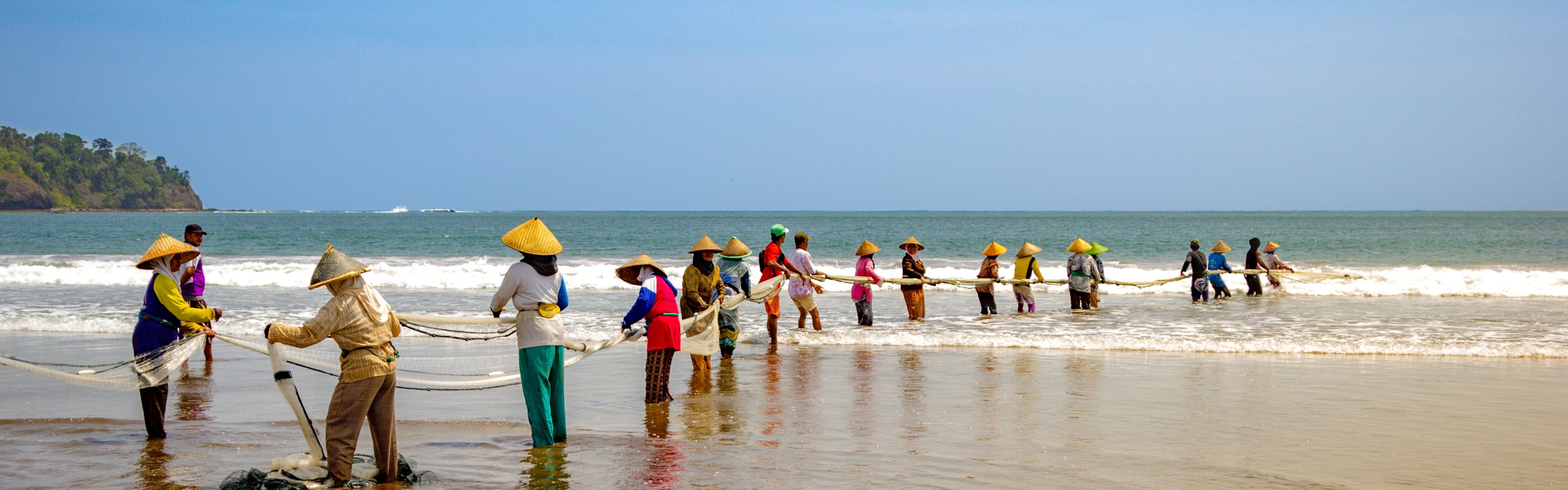
Study of Trends and Best Practices
2026, July 16th
Multilateralism, Humanitarian Action, Solidarity and Development Cooperation: How to Change the World With and Through Tourism
This report analyses how tourism can be both a sector to be transformed and a global infrastructure to be mobilized in support of multilateralism, humanitarian action, solidarity, science, the environment and development cooperation. It does not advocate creating “humanitarian tourism” or “multilateral tourism”: it explains how each organization can, on the one hand, address tourism-related issues falling within its mandate and, on the other hand, use the jobs, procurement, infrastructure, data, markets and revenue generated by tourism to fulfil its missions more effectively.
Tourism does not concern travel stakeholders alone: it constitutes a global infrastructure that moves people, capital, skills, data, narratives and economic opportunities into the very territories where NGOs, United Nations agencies, companies and funders operate.
An organization active in health, education, employment, human rights, biodiversity, water, climate, refugee reception, peace or local development can therefore use tourism as a distribution market, a source of recurring revenue, a mobilization and training tool, a data-collection infrastructure, a lever for job creation or a means of sustainably financing its operations.
The aim is not to turn every organization into a tourism operator, but to intelligently integrate tourism flows, skills and economic models into its own missions, or to help the tourism sector become a partner in fulfilling them.
This study shows how to move beyond travel as a product to be consumed toward governed, measurable and financeable mechanisms, in the form of income-generating activities, capable of producing knowledge, strengthening communities, restoring ecosystems and addressing both immediate emergencies and their root causes.
In this sectoral report:
- 4 main parts, supplemented by a general conclusion;
- 23 major, emerging, weak or contestable trends;
- 5 levels of transformation, ranging from the do-no-harm principle to the transformation of systems;
- 7 building blocks for constructing a complete project architecture;
- 8 decision gates between identifying the need and deployment;
- 20 international cases analysed;
- 35 social, economic, humanitarian, environmental, legal or technological risks;
- 3 foresight scenarios;
- 3 implementation horizons: 6 to 12 months, 2 to 3 years and 5 to 10 years;
- 30 final recommendations;
- 10 conditions defining a legitimate contribution through tourism.
|
Part 1 — Executive Summary, Methodology, Strategic Diagnosis and Trends
Framing Assumptions
The study adopts the following assumptions:
- Global scope, with particular attention paid to the multilateral system, International Geneva, Europe, French-speaking countries and territories where tourism flows can support or undermine local development.
- Priority audiences: international organizations, United Nations agencies, NGOs, foundations, donors, impact investors, public authorities, companies, destinations, universities, field operators and local communities.
- Use of the deliverable: strategy, project design, fundraising, consortium building, development of income-generating activities, advocacy and scaling up.
- Broad definition of tourism: leisure travel, educational and scientific travel, business tourism, academic mobility, events, professional visits, thematic stays and experiences involving temporary accommodation away from one’s usual place of residence.
- Guiding principle: distinguish between two complementary approaches:
- addressing tourism, meaning dealing with the social, humanitarian, economic, ecological, health, political or cultural issues that it creates, amplifies or reveals;
- putting tourism at the service of a mission, by using its flows, infrastructure, skills, revenue, markets and mobilization capacities to contribute to its fulfilment.
- Precautionary principle: the fact that an activity uses tourism to support a cause is not sufficient to make it useful, responsible or legitimate. Every initiative must demonstrate its genuine usefulness, safety, additionality, governance and the equitable distribution of the value created.
Executive Summary
1. Tourism Must Be Considered a Global Infrastructure, Not Merely an Industry
Tourism simultaneously organizes flows of people, money, data, images, skills, products, narratives and international relationships. It affects transport, food, accommodation, water, energy, land, employment, culture, biodiversity, health, security and collective representations.
In 2025, international tourist arrivals reached approximately 1.52 billion, 4% more than in 2024. According to WTTC estimates, the overall travel and tourism economy represented approximately 11.6 trillion dollars and 366 million jobs in 2025. These two indicators
|