
When Culture Disarms
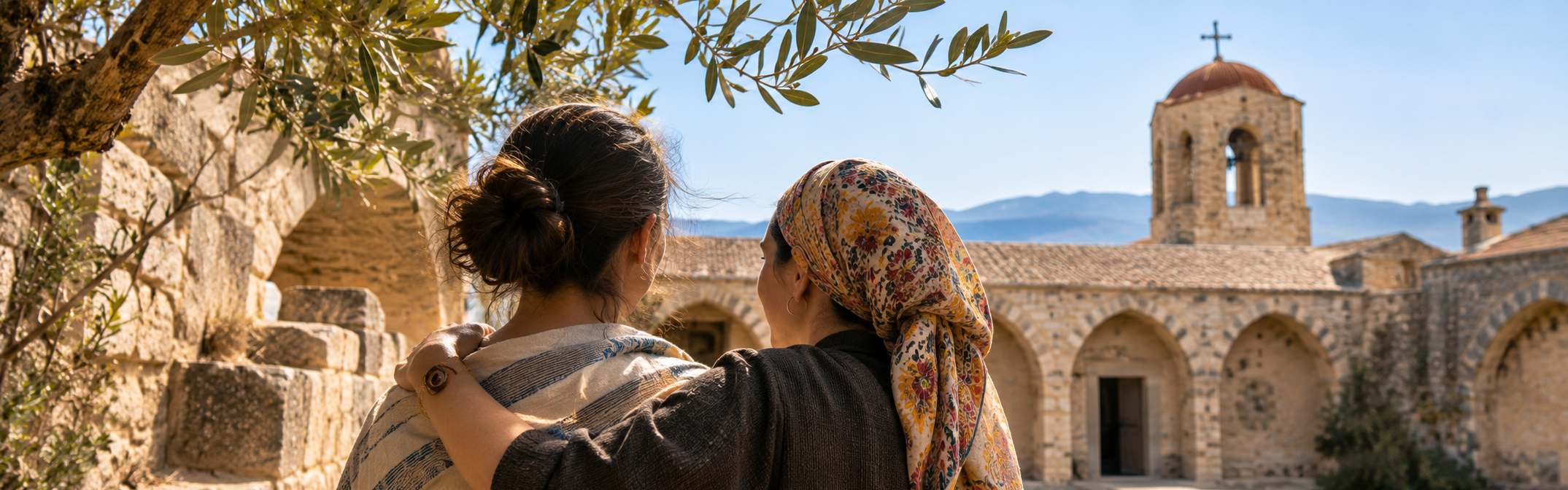
2026 Geneva Forum - Speaker Short Feature
A contribution by Christel ENGSTRÖM-BRINGUIER, published ahead of her intervention in the Mediation of Conflict, Peace and Security session of the 2026 Geneva Forum.
Keywords:
Cultural Diplomacy, Peacebuilding, Conflict Mediation, Intercultural Dialogue, Reconciliation, Shared Cultural Heritage, Collective Memory, Community Engagement, Heritage Preservation, Cyprus, Trust Building, Cultural Cooperation, Sustainable Peace.
|
Authorship:
Christel ENGSTRÖM-BRINGUIER, Co-President, Union Mondiale pour la Diplomatie Culturelle (UMDC)
A treaty can establish a border. It cannot, on its own, heal a collective wound. Invited to speak at the Geneva Forum 2026 on conflict mediation, Christel ENGSTRÖM-BRINGUIER, Co-President of the Union Mondiale pour la Diplomatie Culturelle (UMDC), reflects on a central conviction: culture is not an optional extra in peacebuilding. It is an essential part of the process.
Cyprus: Heritage Reopens Dialogue
Cyprus has been politically divided for more than half a century. Yet Greek Cypriots and Turkish Cypriots have found common ground through their cultural heritage.
Established in 2008 under United Nations auspices, a bicommunal Technical Committee, supported by the United Nations Development Programme (UNDP) and funded primarily by the European Union, brings together experts to preserve monuments and places of memory.
By 2021, conservation work had been carried out at 84 heritage sites. Today, the Committee reports interventions at more than 210 sites. The Orthodox monastery of Apostolos Andreas was restored through joint funding from the Church of Cyprus and a Turkish Cypriot institution.
These restorations do not resolve the political conflict. They create opportunities for dialogue and cooperation, helping to rebuild trust.
What Treaties Cannot Resolve
An agreement can end hostilities without reconciling communities divided by years of mistrust. Peace also takes shape within families, schools and the stories passed down through generations.
Conflicts also have dimensions of identity, memory and symbolism. This is where culture plays a vital role: not by replacing diplomacy, but by opening paths where negotiations alone cannot succeed.
Creating Common Ground
Institutional cultural diplomacy serves, among other purposes, international visibility and influence. The approach championed by the UMDC pursues a different objective: rebuilding common ground between communities that appear irreconcilable.
It rests on four pillars: dialogue, allowing different voices to be heard despite disagreements; shared memory, recognising what still connects communities; creation, producing something of common value; and transmission, ensuring that these efforts
|