Thursday, 10 December 2026 – Citizen Diplomacy and Project-Based Learning: Empowering Citizens to Shape Their Future
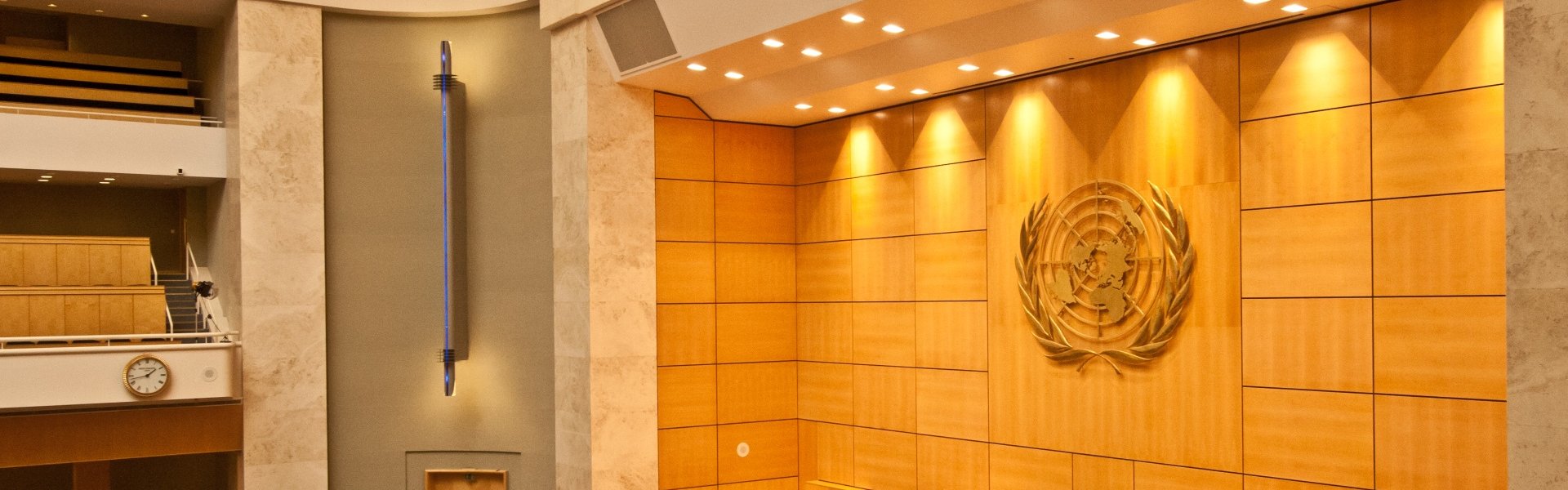
On Thursday, 10 December 2026, the 18th Geneva Forum will devote a full day to a fundamental question for peace, education and development: how can citizens, young people and communities acquire the skills, responsibilities and resources they need to take part in decisions shaping their own future?
In the morning, Citizen Diplomacy and Conflict Mediation will explore the conditions for building peace through people’s capacity for dialogue, cooperation and action. In the afternoon, Project-Based Learning for Successful Education will examine how learning can be transformed into applicable skills, concrete initiatives and new capacities for self-determination.
Held at the Palais des Nations in Geneva, the day forms part of the 2026 Forum’s overarching theme: impact entrepreneurship as a common language connecting international organisations, NGOs, public institutions, businesses and finance. It benefits from the institutional co-endorsement of the Permanent Mission of the Republic of Sierra Leone to the United Nations in Geneva, with the support of H.E. Mr. Lansana Gberie, Ambassador and Permanent Representative.
|
One day connecting peace, education and the capacity to act
Citizen diplomacy and project-based learning are rarely addressed together. Yet they share a common ambition: enabling individuals, communities and territories to develop the skills, relationships and resources they need to understand their circumstances, exercise responsibility, make decisions and shape their future.
Peace does not depend solely on institutions’ ability to negotiate agreements. It also relies on people’s ability to engage in dialogue, prevent tensions, organise cooperation and develop shared activities. Likewise, successful education cannot be measured by knowledge acquisition alone: it must also foster the capacity to apply knowledge, take initiative, solve problems and carry out projects with others.
This continuity between capacity building, autonomy, responsibility and self-determination provides the central theme for Thursday, 10 December.
Following Monday’s exploration of the economic opportunities offered by regenerative tourism, Tuesday’s work on impact finance and the Rights of Nature, and Wednesday’s discussions on business models and citizen science, Thursday will add another essential dimension to impact projects: their ability to make the people concerned genuine participants in project design, governance and implementation.
This approach forms part of the Geneva Forum’s 2026 proposal on Impact Entrepreneurship and the Geneva, the Impact Capital initiative: connecting institutional, scientific, economic and financial expertise to develop joint projects capable of delivering concrete, lasting results.
With the co-endorsement of the Permanent Mission of Sierra Leone
H.E. Mr. Lansana Gberie, Ambassador and Permanent Representative of the Republic of Sierra Leone to the United Nations in Geneva, together with the Permanent Mission of Sierra Leone, support this event and invite diplomatic missions, international organisations, institutions, businesses and their partners to join the discussions.
This institutional co-endorsement supports a reflection on the complementarity between States’ responsibilities, international cooperation frameworks and citizens’ capacity for action. The objective is not to replace institutional diplomacy with citizen diplomacy, but to explore how the two can reinforce each other, particularly in conflict prevention, education, and economic and social development.
Information concerning speakers representing partner institutions will be added to the detailed programmes as their participation is confirmed.
MORNING – 10:00–13:00: Citizen Diplomacy, Conflict Mediation, Peace and Security
Building the skills to prevent conflicts before they escalate
In the face of geopolitical tensions, social divisions, population displacement and resource-related conflicts, violence prevention cannot rely on specialised institutions alone. Local organisations, civil society, businesses, scientists, educators and individual citizens also have resources to facilitate dialogue, anticipate tensions and build relationships of trust.
The morning conference will examine how these capacities can become lasting components of peace, security and development policies.
Several questions will guide the discussions:
- How can citizens and communities develop the skills needed to prevent, understand and resolve their own conflicts?
- How can institutional diplomacy, citizen diplomacy, intercultural mediation and scientific cooperation complement one another?
- How can dialogue mechanisms and shared governance be established within projects bringing together stakeholders with different interests, cultures and responsibilities?
- How can impact entrepreneurship, employment, shared economic activities and suitable financing contribute to preventing social divisions and consolidating peace?
- How can societies move from occasional interventions by professional mediators towards the lasting dissemination of mediation skills among people and organisations?
The aim is to make methods of prevention, negotiation, mediation and cooperation accessible to stakeholders who can apply them within their own contexts. This approach directly connects with the call for contributions Peace by Capacity Building: How to Achieve Peace through the Skill-Building of Individuals?.
The morning will combine case presentations, expert contributions and collaborative exchanges, with a view to identifying mechanisms for cooperation and projects that can be strengthened or developed with the partners present.
From citizen diplomacy to project-based learning: learning to decide and act
A society does not become more autonomous simply because its citizens are consulted more often. People must also have the knowledge, skills and practical opportunities to participate in decision-making, understand the issues at stake, lead initiatives and progressively take on responsibilities.
Citizen diplomacy therefore raises a question that project-based learning carries forward: how can people be prepared to act, rather than remaining exclusively beneficiaries of decisions and programmes designed on their behalf?
Mediation develops listening skills, an understanding of different interests, the ability to analyse disagreements and the search for shared solutions. Project-based learning provides opportunities to put these skills into practice by learning to formulate questions, produce knowledge, organise collaboration, test responses and evaluate results.
Together, they represent two dimensions of citizens’ capacity building and self-determination: the ability to participate in collective decisions and the means to help implement them.
AFTERNOON – 15:00–18:00: Project-Based Learning for Successful Education
Making education a space for creativity, responsibility and initiative
Preparing future generations is not simply a matter of transmitting predefined knowledge. It also means teaching people to identify problems, challenge hypotheses, conduct research, cooperate, make decisions and produce useful outcomes.
Project-based learning places these processes at the heart of education. It can help develop scientific, technical, interpersonal, entrepreneurial and civic skills, while enabling pupils, students and professionals to progress through practical activities.
The afternoon conference will examine:
- Young people’s participation in project design, research and decisions affecting them, moving beyond consultation alone.
- Methods for transforming learners’ curiosity, emotions and concerns into research questions, initiatives and practical achievements.
- Pathways towards greater responsibility, from participation in activities to project leadership and involvement in governance.
- Conditions for using artificial intelligence and educational technologies while safeguarding human responsibility, equity and learner autonomy.
- Opportunities for cooperation between schools, universities, NGOs, international organisations, businesses and local stakeholders to develop educational impact projects.
The afternoon will connect education with citizen participation, participatory science and impact entrepreneurship. Projects will be considered not only as teaching tools, but also as opportunities to produce knowledge, acquire skills and contribute to collective objectives.
These discussions also build on the call for contributions Emotions x Project Based Learning, which explores the role of emotions, engagement and informal education in project-based learning.
From individual capacities to collective impact projects
One of the central objectives of the 18th Geneva Forum is to enable the transition from expertise to action. International organisations bring knowledge of needs, institutional frameworks and public policies; NGOs and researchers contribute field experience and methods; businesses provide technologies, skills and production capacities; investors and foundations can help finance different stages of development.
However, a project’s success also depends on its ability to engage the people it serves over the long term. Their participation should not be limited to receiving information or being consulted: they should be able to contribute to identifying needs, defining solutions, implementing activities and, where appropriate, participating in governance.
Citizen diplomacy helps create the trust and cooperation required. Project-based learning helps prepare the people capable of sustaining these relationships. Impact entrepreneurship can then provide organisational models and economic resources to support these initiatives over time.
This convergence will guide Thursday’s discussions, as part of the Geneva Forum’s professional Impact Projects Boot Camp, 7–11 December 2026.
Take part on Thursday, 10 December
The day is intended for permanent missions and diplomatic representatives, United Nations agencies, international organisations, NGOs, educational and academic institutions, researchers, mediators, businesses, foundations, investors, project leaders and local stakeholders.
Participants may attend one conference, both Thursday sessions or the full Forum week. They may also bring an existing or emerging project, meet potential partners and contribute to discussions and collaborative activities.
Participation requires advance registration, valid Geneva Forum membership appropriate to the chosen participation format, and compliance with Palais des Nations access procedures.
To participate:
- Create your user account on the Geneva Forum website and select your membership;
- Complete the mandatory INDICO registration for access to the Palais des Nations using the link you have received or will receive;
- Consult the detailed programmes for Citizen Diplomacy, Conflict Mediation, Peace and Security and Project-Based Learning for Successful Education, together with the objectives of the Professional Boot Camp.
Participating organisations are invited to circulate this invitation throughout their networks and identify the contributions, expertise and projects that could enrich these two complementary conferences.
|